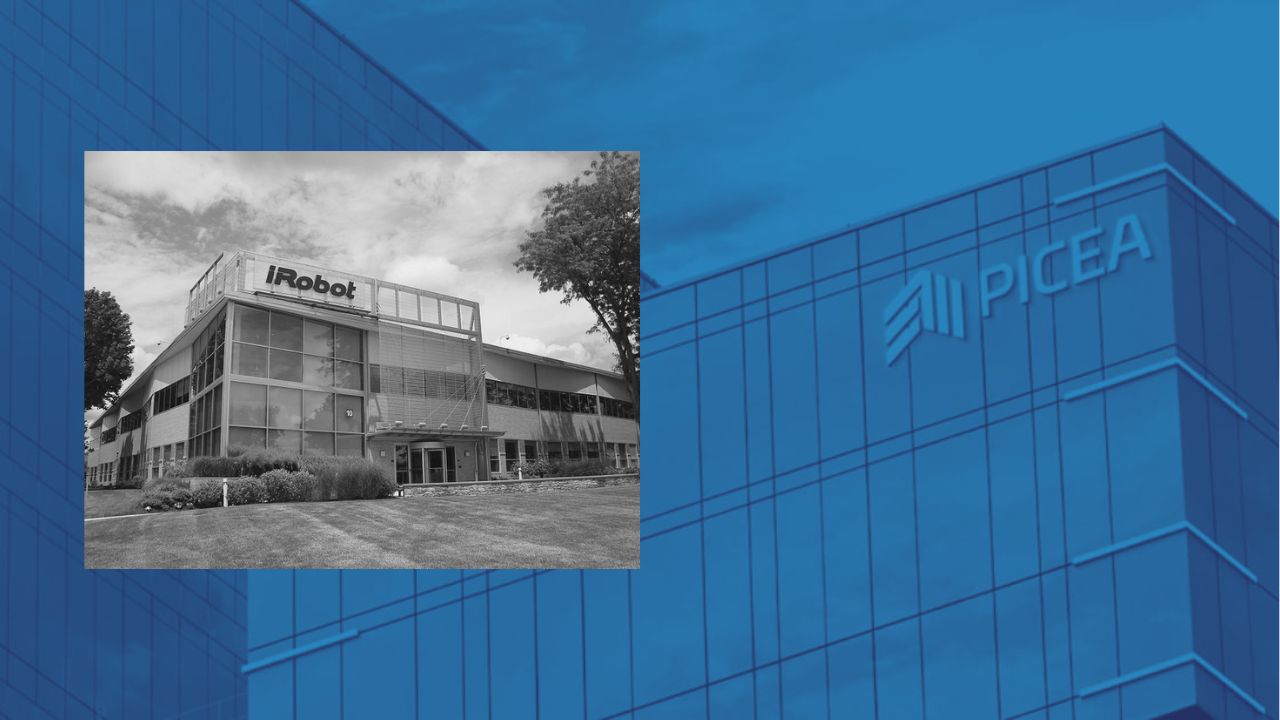
iRobot Files for Chapter 11 Bankruptcy, Acquired by Chinese Supplier Picea Robotics
iRobot Corporation, the pioneering U.S. robotics firm known for the Roomba vacuum cleaner, filed for Chapter 11 bankruptcy protection in Delaware on December 14, 2025. Under a pre-packaged restructuring plan, the company will be acquired by its primary manufacturer and creditor, Shenzhen Picea Robotics (China-based), taking iRobot private and canceling approximately $264 million in debt ($190 million loan principal plus $74 million manufacturing obligations). The transaction eliminates shareholder equity, wiping out common stock value, while allowing operations to continue without immediate disruption to products, app functionality, or customer support. iRobot reported $682 million in 2024 revenue but faced ongoing losses, with debt exceeding assets.
Brief History of Roomba
iRobot, founded in 1990, initially developed military and exploration robots (e.g., PackBot for search operations post-9/11). It launched the Roomba in 2002, the first mass-market robotic vacuum, selling over 50 million units globally and establishing category dominance (42% U.S. market share, 65% Japan). Key milestones include Wi-Fi connectivity (2015 Roomba 980), smart mapping (2018 i7 series), and auto-emptying bases (s9+). The company went public in 2005, peaking at $3 billion valuation during the pandemic.
People Behind It
Co-founders: Colin Angle (longtime CEO until 2024), Rodney Brooks, and Helen Greiner—all MIT Artificial Intelligence Lab alumni. Angle called the bankruptcy "profoundly disappointing" and a "tragedy for consumers," blaming regulatory blockage of the Amazon deal.
Why It Declined
Decline began post-pandemic with slowing demand, supply chain issues, and aggressive pricing from Chinese competitors (Ecovacs, Roborock, Dreame, Xiaomi), capturing over 70% global share with cheaper models. Revenue fell 33% in key quarters; market share eroded as innovation stalled. Additional pressures: 2025 U.S. tariffs (46% on Vietnam imports, costing $23 million plus $3.4 million unpaid duties) and liquidity crisis after failed buyer searches.
Why Amazon Deal Fell Through
Amazon agreed to acquire iRobot for $1.7 billion ($1.4 billion adjusted) in 2022 but abandoned it in January 2024 amid antitrust scrutiny from EU regulators (fears of marketplace foreclosure for rivals) and U.S. FTC (similar concerns under Lina Khan). Amazon paid a $94 million breakup fee; regulators viewed the deal as potentially anti-competitive despite iRobot's struggles.
Who Is Buying the Debt and IP
Shenzhen Picea Robotics (with Hong Kong subsidiary Santrum) acquired iRobot's debt ($191 million from Carlyle Group funds in November 2025) after payment delays, becoming primary creditor. In bankruptcy, Picea takes 100% equity, cancels debt, and gains control of IP (patents, trademarks, technology portfolio). No separate IP sale reported; full company transfer includes intellectual property.
Picea Robotics Business and Strengths
Shenzhen Picea Robotics Co., Ltd. (also known as 3irobotix, part of Picea Group) is a China-based company specializing in the design, R&D, and manufacturing of robotic vacuum cleaners and related smart home devices. Established around 2016, it operates as a major original design manufacturer (ODM) and contract manufacturer, producing devices sold under other brands while also marketing its own 3i line of robot vacuums.
The company maintains facilities in China and Vietnam, employing over 7,000 staff globally (including more than 600 in R&D and 5,000 in manufacturing). It has produced and sold over 20 million robotic vacuums and holds more than 1,300 intellectual property rights worldwide. Clients and partners include iRobot (primary manufacturer prior to acquisition), Shark, Anker/Eufy, and reportedly Dyson, GE, Xiaomi, Haier, Philips, and Electrolux. Picea gained prominence through its December 2025 acquisition of bankrupt iRobot, converting debt into full ownership.
Strengths include large-scale production capacity enabling cost-competitive devices; extensive supply chain integration for rapid scaling; technical expertise in robotics components (e.g., precision harmonic drives via affiliate Picea Motion); long-term partnerships with global brands; and ability to combine manufacturing efficiency with innovation to support market expansion in a sector with low global adoption (<10%).
References
- Bloomberg: "Roomba Maker iRobot Files for Bankruptcy After 35 Years" – https://www.bloomberg.com/news/articles/2025-12-15/robot-vacuum-roomba-maker-files-for-bankruptcy-after-35-years
- Reuters: "iRobot enters Chapter 11, lender to acquire Roomba maker" – https://www.reuters.com/technology/irobot-enters-chapter-11-lender-acquire-roomba-maker-2025-12-15/
- NPR: "Roomba maker files for bankruptcy, weighed down by debt and tariffs" – https://www.npr.org/2025/12/15/nx-s1-5644772/tariffs-roomba-irobot-bankruptcy
- Vacuum Wars: "Who Is Shenzhen Picea Robotics, the Company Acquiring iRobot?" – https://vacuumwars.com/who-is-picea/